
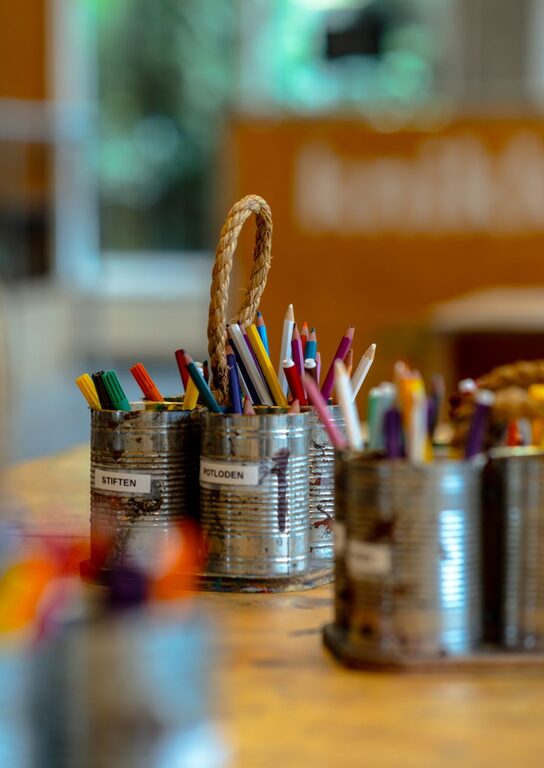
Children’s art is a wonderful expression of their creativity and imagination. From colorful drawings to handmade crafts, these creations often bring joy and pride to both kids and parents. However, as the masterpieces pile up, it can become challenging to keep them neatly organized. Without a system, your home risks being overwhelmed by stacks of paper, boxes filled with projects, and random bits of glitter. Fortunately, there are plenty of practical ways to keep kids’ art organized while still honoring their creativity.
In this post, we’ll explore easy-to-follow tips and ideas that help you manage the flow of artwork, preserve treasured pieces, and create meaningful displays.
Why It’s Important to Organize Kids’ Art
Organizing your child’s art has several benefits beyond tidiness:
– Preserves memories: Artwork reflects different stages of your child’s development and interests.
– Reduces clutter: Keeping art organized prevents piles from taking over your living space.
– Increases enjoyment: When art is easy to find and displayed well, it’s more appreciated by family and visitors.
– Encourages creativity: A neat system can motivate kids to create more, knowing their work will be valued and cared for.
Setting Up a System for Collecting Art
Before storage or display, decide on a routine for handling new artwork:
Create a Designated Art Drop Zone
– Choose a basket, tray, or box near your child’s play or art area.
– Encourage your child to place finished pieces there.
– Check the drop zone weekly to sort and decide what to keep or recycle.
Establish a Timeframe for Keeping Art
– For example, keep artwork for a month or a school term before reviewing.
– This helps prevent an overwhelming backlog and makes decision-making easier.
Storage Solutions for Kids’ Artwork
Once you’ve decided what to keep, consider these storage ideas:
Use Portfolio Folders or Large Envelopes
– Label folders by year or age to keep art organized chronologically.
– Flat storage helps preserve paper quality and prevents damage.
– Portable and easy to tuck away in a closet or under a bed.
Invest in an Art Storage Box
– Choose a box with a lid to protect art from dust and damage.
– You can even decorate the box with your child to make it special.
– Dividers or folders inside can separate different types or sizes of artwork.
Digital Archiving
– Take photos or scan each piece of art.
– Store images in a dedicated folder on your computer or cloud storage.
– This method saves physical space and allows you to create digital albums or slideshows.
– Apps designed to organize kids’ art can simplify this process.
Displaying Kids’ Art With Pride
Organizing doesn’t mean hiding away all the creations. Displaying art reinforces your child’s efforts and brightens your home.
Create a Rotating Gallery Wall
– Use corkboards, clipboards, or wire with clips to hang artwork.
– Rotate pieces regularly to showcase new creations.
– This keeps the display fresh and allows the child to choose what goes up.
Frame Special Pieces
– Select a few standout artworks and frame them professionally or use simple frames.
– Hang them in hallways, bedrooms, or play areas.
– This adds a polished look and highlights treasured work.
Use Functional Displays
– Turn art into placemats by laminating drawings.
– Create notebooks or calendars incorporating your child’s designs.
– These practical items keep art visible and useful.
Encouraging Your Child to Participate in Organization
Including kids in the process teaches responsibility and respect for their creations.
– Let them help choose which art to keep, display, or recycle.
– Encourage decorating storage containers or portfolios.
– Make reviewing and organizing part of a regular family activity with fun rewards.
Tips for Managing 3D Art and Crafts
Three-dimensional projects can be tricky to organize but are often cherished.
– Use clear plastic bins to store larger projects safely.
– Display some on shelves or in shadow boxes.
– Consider photographing bulky or fragile items before recycling to preserve memories.
When to Let Go of Artwork
It can be hard to part with creative work, but holding on to everything isn’t always practical.
– Prioritize pieces that show developmental milestones or special memories.
– Recycle or repurpose less meaningful art.
– Talk with your child about why it’s okay to let some items go, focusing on creativity rather than perfection.
Final Thoughts
Keeping your child’s art organized doesn’t have to be daunting. With simple routines and a few clever storage and display ideas, you can maintain a clutter-free home while celebrating your child’s creativity. Remember, the goal is to show your child that their artwork matters, not to keep every single piece. A well-organized art collection can become a cherished family treasure for years to come.
Try out these tips and find a system that works best for your family’s lifestyle and space. Happy organizing!