
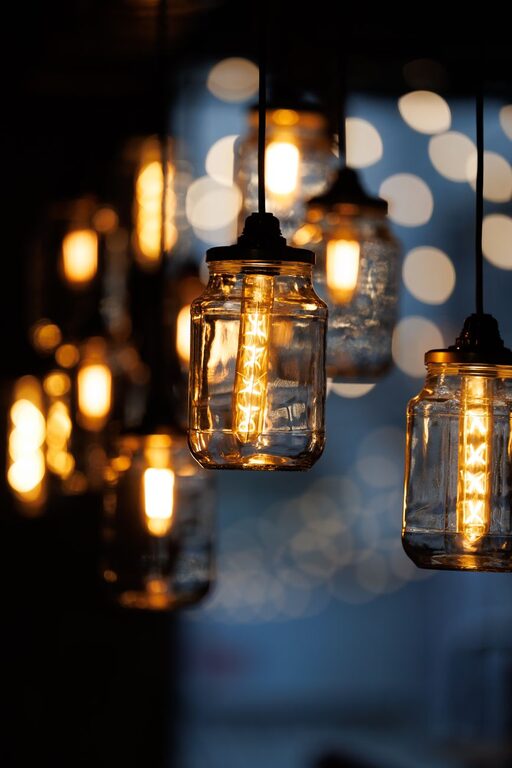
Creating a comfortable home environment goes beyond choosing the right furniture and colors—it also includes selecting the perfect lighting. Good lighting improves the overall mood, supports daily activities, and enhances the style of your space. But with so many options available, it can be challenging to know where to start.
This guide offers practical tips to help you choose comfortable home lighting that suits your needs and elevates your living space.
Understand Your Lighting Needs
Before shopping for lighting, consider the primary uses of each room. Lighting requirements vary widely depending on the space and activities performed.
– Living Room: Needs versatile lighting for relaxing, reading, and socializing.
– Kitchen: Requires bright, focused light for cooking and food preparation.
– Bedroom: Benefits from soft, warm lighting to promote relaxation.
– Bathroom: Needs bright and clear lighting for grooming tasks.
By identifying the purpose of each room, you’ll be better positioned to select the right lighting fixtures and bulbs.
Choose the Right Type of Lighting
Lighting generally falls into three categories. Combining these types creates a balanced and comfortable atmosphere.
Ambient Lighting
This is the primary source of light in a room, providing overall illumination. Examples include ceiling-mounted lights, recessed lighting, and chandeliers. Make sure the ambient lighting is neither too harsh nor too dim.
Task Lighting
Task lights focus on specific areas to support activities such as reading, cooking, or working. Desk lamps, under-cabinet lights, and pendant lights are common task lighting options.
Accent Lighting
Accent lighting highlights architectural details, artwork, or decor pieces. It adds depth and interest to a room. Examples include wall sconces, track lighting, and LED strip lights.
Select the Right Bulb Color Temperature
Bulb color temperature, measured in Kelvins (K), affects the mood and comfort level of a space.
– Warm Light (2700K–3000K): Creates a cozy and relaxing atmosphere, best for bedrooms and living rooms.
– Neutral Light (3500K–4100K): Provides a balanced, natural look suitable for kitchens and bathrooms.
– Cool Light (5000K–6500K): Offers bright, daylight-like illumination ideal for workspaces or areas requiring alertness.
Choosing the appropriate color temperature helps reduce eye strain and enhances comfort.
Mind the Brightness: Lumens Matter
Brightness is measured in lumens, not watts. The higher the lumens, the brighter the light. To create comfortable lighting, avoid overly bright or dim bulbs.
Here are general lumen recommendations for different rooms:
– Living Room: 1,500–3,000 lumens total
– Bedroom: 1,000–2,000 lumens total
– Kitchen: 3,000–4,000 lumens total
– Bathroom: 4,000–8,000 lumens total
Use dimmable bulbs or switches to adjust brightness based on time of day and mood.
Consider Energy Efficiency
Comfortable lighting should also be energy-conscious. LED bulbs are highly recommended because they:
– Use less energy than traditional incandescent bulbs
– Last longer, reducing replacement frequency
– Are available in a variety of color temperatures and brightness levels
Switching to LEDs can save money over time while maintaining a pleasant lighting environment.
Pay Attention to Lighting Placement
Where you place your light fixtures impacts comfort significantly. Avoid placing lights in positions that cause glare or cast harsh shadows.
Here are some placement tips:
– Use multiple light sources in a room instead of relying on a single overhead fixture.
– Position task lighting close to where activities take place.
– Avoid direct light shining into eyes or onto TV screens.
– Use lampshades or diffusers to soften the light.
Use Smart Lighting for Flexibility
Smart lighting systems allow you to control brightness, color temperature, and even set schedules via smartphone apps or voice commands. This flexibility can help you customize your home lighting easily throughout the day.
Benefits of smart lighting include:
– Adjusting light settings for different times or activities
– Energy savings through automation
– Enhancing home security with scheduled lights
Enhance Comfort with Natural Light
Maximize the use of natural daylight by:
– Choosing window treatments that allow light while reducing glare
– Placing mirrors to reflect and distribute daylight
– Arranging furniture near windows to benefit from sunlight
Natural light not only reduces the need for artificial lighting but also boosts mood and well-being.
Final Tips for Comfortable Home Lighting
– Test bulbs before committing to a full set to see how they feel in your space.
– Mix and match lighting types for a layered, inviting look.
– Regularly clean your fixtures and bulbs to maintain brightness.
– Consider the style and size of fixtures to complement your decor.
By paying attention to your lighting needs and preferences, you can create a comfortable, functional, and beautiful home environment that fits your lifestyle perfectly. Happy lighting!