
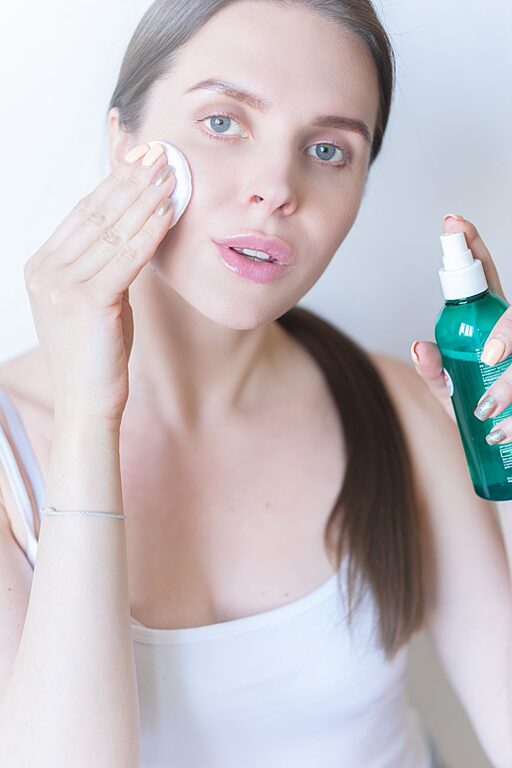
Starting a skincare routine doesn’t have to be complicated or overwhelming. Whether you’re new to skincare or looking to simplify your current regimen, establishing a basic routine can make a big difference in the overall health and appearance of your skin. This guide will walk you through the essential steps to get started with a straightforward, effective skincare routine that fits easily into your daily life.
Why Start a Skincare Routine?
Your skin is the largest organ of your body and acts as a protective barrier against environmental factors. A consistent skincare routine helps to:
– Keep your skin clean and clear
– Prevent dryness and irritation
– Protect against damage from sun and pollution
– Maintain a youthful and radiant appearance
By taking just a few minutes each day, you can support your skin’s health and feel more confident.
Step 1: Identify Your Skin Type
Before choosing products, it’s important to know your skin type. This helps you pick the right cleansers, moisturizers, and treatments to avoid irritation or breakouts. Common skin types include:
– Normal: Balanced, not too oily or dry
– Oily: Shiny appearance, prone to acne and larger pores
– Dry: Flaky, tight, or rough feeling
– Combination: Oily in some areas (usually the T-zone) and dry in others
– Sensitive: Easily irritated, red, or prone to reactions
You can determine your skin type by observing how your skin feels a few hours after washing—does it feel tight, oily, or comfortable?
Step 2: Choose the Basic Products
A simple skincare routine usually consists of three key products: a cleanser, a moisturizer, and sunscreen. Here’s a breakdown of each:
Cleanser
A cleanser removes dirt, oil, makeup, and impurities from your skin. Choose a gentle formula that suits your skin type:
– Gel or foaming cleansers for oily or acne-prone skin
– Cream or lotion cleansers for dry or sensitive skin
– Micellar water for a no-rinse option
Avoid harsh soaps or scrubs that can strip your skin of natural oils.
Moisturizer
Moisturizers help keep your skin hydrated and protected. Look for a moisturizer that matches your skin type:
– Lightweight, oil-free lotions for oily skin
– Rich creams or balms for dry skin
– Hypoallergenic or fragrance-free formulas for sensitive skin
Applying moisturizer while your skin is still slightly damp helps lock in moisture.
Sunscreen
Sun protection is essential every day, even if it’s cloudy. Sunscreen helps prevent premature aging, sunburn, and skin cancer. Choose a broad-spectrum sunscreen with at least SPF 30. There are many options including lotions, gels, and mineral-based formulas suited for all skin types.
Step 3: Develop Your Routine
Once you have your basic products, follow these simple steps:
Morning
- **Cleanse:** Use a gentle cleanser to remove nighttime buildup.
- **Moisturize:** Apply your moisturizer to hydrate your skin.
- **Sunscreen:** Finish with a broad-spectrum SPF 30 or higher sunscreen.
- **Cleanse:** Use your cleanser to remove the day’s dirt, oil, and makeup.
- **Moisturize:** Apply your nighttime moisturizer or a richer cream to nourish your skin while you sleep.
Evening
Step 4: Optional Extras
As you get comfortable with the basics, you may want to consider adding these optional steps:
– Exfoliation: Use a gentle exfoliator once or twice a week to remove dead skin cells and brighten your complexion. Avoid over-exfoliating as it can irritate your skin.
– Serums: These are concentrated treatments for specific concerns like dryness, dullness, or fine lines. Vitamin C serums are popular for morning use, while hydrating serums containing hyaluronic acid are great for nighttime.
– Eye Cream: If you have concerns about puffiness or dark circles, a lightweight eye cream can be added.
Tips for Success
– Consistency is key: Aim to follow your routine every day for the best results.
– Patch test new products: Apply a small amount to a test area to avoid allergic reactions.
– Avoid overloading: Using too many products can irritate your skin. Keep it simple at first.
– Stay hydrated and eat well: Skin health starts from within, so drink plenty of water and maintain a balanced diet.
– Be patient: It can take several weeks to see noticeable improvements.
When to See a Dermatologist
If you experience persistent skin problems such as severe acne, redness, irritation, or unusual changes, it’s a good idea to consult a dermatologist. They can recommend personalized treatments and help you build a routine tailored to your specific needs.
Final Thoughts
Starting a basic skincare routine is an excellent step toward healthy, glowing skin. By choosing gentle products suited to your skin type and following a simple morning and evening regimen, you’ll be well on your way to improving your skin’s health and appearance. Remember, skincare is a personal journey—listen to your skin and adjust your routine as needed to feel your best every day.