
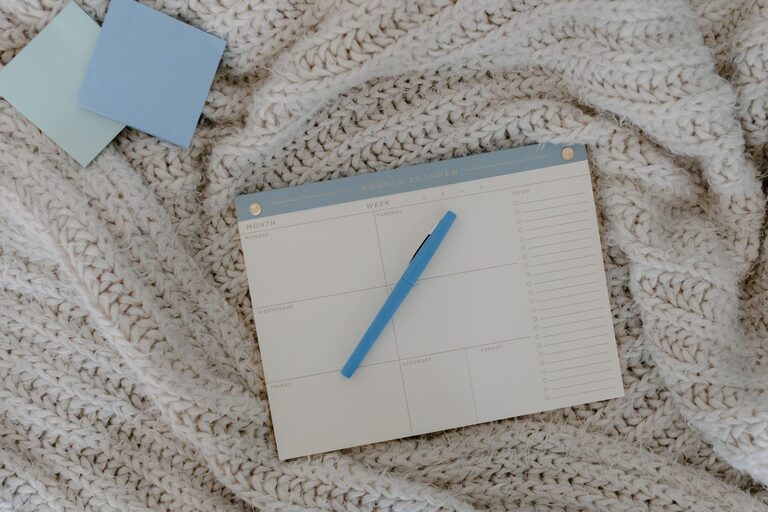
When your weekend arrives, it should feel like a breath of fresh air—a time to relax, recharge, and enjoy yourself without pressure. However, many people find that their weekends become just as hectic as their weekdays due to poor planning or overbooking. If you want to create a no-stress weekend, a little preparation and mindset shift can make all the difference.
In this guide, we’ll walk through practical steps to plan a calming, stress-free weekend that leaves you feeling refreshed and ready for the week ahead.
Why Plan a No-Stress Weekend?
Weekends are your chance to disconnect from work and daily responsibilities. Without a plan, it’s easy to fill your time with errands, social obligations, or screen time that doesn’t bring real relaxation. Planning intentionally helps you:
– Prioritize rest and activities you genuinely enjoy
– Manage time so you don’t feel rushed
– Reduce anxiety about unfinished tasks
– Enhance your overall well-being
Step 1: Set Your Intentions
Before you dive into weekend plans, take a moment to decide what you want to get out of your time off. Your goal might be to:
– Rest and recharge physically and mentally
– Spend quality time with family or friends
– Try a new hobby or explore nature
– Catch up on personal projects
Writing down your intentions helps you focus your plans on what truly matters to you.
Step 2: Keep Your Schedule Light
One of the biggest contributors to weekend stress is an overly packed calendar. Avoid the temptation to say yes to every invitation or chore. Instead:
– Limit activities to 2-3 key things per day
– Leave plenty of open time for spontaneity or rest
– Prioritize quality over quantity
If you have errands or chores, try to complete them early or spread them out so they don’t take over your weekend.
Step 3: Prepare in Advance
A bit of prep before the weekend can reduce last-minute stress. Consider:
– Meal planning or prepping to avoid cooking pressure
– Setting out clothes or gear for planned activities
– Tidying your space so you come home to calm surroundings
– Putting away work-related items to create a clear divide
Advance preparation frees up your weekend for relaxation rather than catching up.
Step 4: Create a Relaxing Environment
Your physical surroundings affect your mood and stress levels. To create a calm space:
– Declutter common areas
– Use soft lighting or natural light during the day
– Play soothing music or nature sounds
– Include cozy items like blankets or candles
A pleasant environment encourages relaxation and helps signal to your brain that it’s time to unwind.
Step 5: Disconnect from Work and Digital Devices
Work emails, social media, and constant notifications can pull you back into stress mode. Try these tips:
– Set boundaries by turning off work devices or notifications
– Allocate specific times to check messages, if needed
– Engage in offline activities like reading, puzzles, or walking
Reducing screen time helps you focus on real-world experiences and lowers stress.
Step 6: Prioritize Self-Care Activities
Make room for self-care practices that nourish your body and mind. Some ideas include:
– Taking a leisurely bath or shower
– Practicing gentle yoga or stretching
– Meditating or deep breathing exercises
– Enjoying hobbies like cooking, gardening, or crafting
Choose what feels most rejuvenating for you.
Step 7: Get Outside
Spending time in nature is a proven way to reduce stress. Options include:
– Going for a walk or hike
– Visiting a park or beach
– Sitting outside with a cup of tea or book
Fresh air and natural surroundings help clear your mind and promote calm.
Step 8: Allow Time for Rest and Sleep
Rest is crucial for a no-stress weekend. Try to:
– Maintain a regular sleep schedule
– Take short naps if you feel tired
– Avoid overstimulating activities before bedtime
Good rest supports your mood and energy levels.
Step 9: Reflect and Adjust
At the end of your weekend, reflect on what went well and what could be improved next time. Ask yourself:
– Did I feel relaxed and recharged?
– What activities brought me joy or peace?
– Was my schedule manageable?
Use these insights to plan future weekends even better.
—
Sample No-Stress Weekend Plan
Friday Evening:
– Light dinner and a short walk
– Turn off work notifications early
– Read a favorite book or listen to calming music
Saturday:
– Morning stretching or yoga
– Outdoor activity like visiting a park
– Prepare a simple, healthy lunch
– Afternoon nap or hobby time
– Evening movie or quiet time with family
Sunday:
– Leisurely breakfast
– Plan for the week ahead if desired
– Relax with a bath or meditation
– Early bedtime
—
By following these steps, you can enjoy weekends that truly help you unwind and recharge. Remember, a no-stress weekend is about balance and intention, not perfection. Start small and find what works best for your lifestyle. Your mind and body will thank you!