
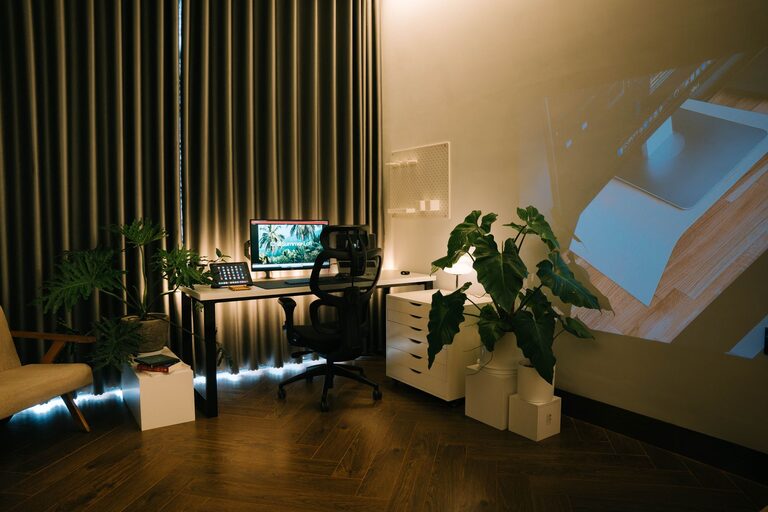
Creating a relaxing home workspace is essential for maintaining focus, reducing stress, and improving overall productivity. Whether you work remotely full-time or occasionally, having a dedicated area that promotes calm and comfort can make a significant difference in your workday. In this post, we’ll explore practical ideas to help you design a home workspace that feels inviting, organized, and peaceful.
Why a Relaxing Workspace Matters
Your environment has a big impact on how you feel and work. A cluttered or uninspiring space can increase stress and make it harder to concentrate. On the other hand, a carefully arranged, relaxing workspace can help:
– Improve focus and efficiency
– Reduce feelings of anxiety and overwhelm
– Encourage better posture and comfort
– Support a healthy work-life balance
Now, let’s dive into the steps to create a space where you can work comfortably and calmly.
Choose the Right Location
Find a Quiet Spot
Select a part of your home that experiences minimal noise and distractions. If possible, avoid high-traffic areas like the kitchen or living room. A quiet corner or spare room works best.
Consider Natural Light
Natural light boosts mood and energy, so position your desk near a window. If that’s not possible, use soft, warm lighting to simulate a natural feel and avoid harsh overhead lights.
Furnish for Comfort and Functionality
Invest in a Quality Chair
A supportive chair is key to staying comfortable during long hours. Look for adjustable options that offer good lumbar support and encourage proper posture.
Choose a Suitable Desk
Your desk should have enough space for your computer, supplies, and any other tools you need. Consider a height that allows your arms to rest comfortably, reducing strain.
Keep Your Space Organized
Declutter Regularly
A tidy workspace helps clear your mind. Set aside a few minutes each day to put things away and toss out unnecessary papers.
Use Storage Solutions
Shelves, filing cabinets, and drawer organizers help keep everything in its place. Labeling drawers or containers can also save time when looking for items.
Add Soothing Elements
Incorporate Plants
Indoor plants not only add color but also improve air quality and create a calming atmosphere. Choose low-maintenance plants like succulents or pothos.
Use Calming Colors
Soft, neutral tones such as light blues, greens, or grays promote relaxation. You can apply these colors to walls, furniture, or decorative items.
Add Personal Touches
Include a few items that make you happy, like photos, artwork, or meaningful trinkets—but avoid overdecorating, which can become distracting.
Minimize Noise and Distractions
Use Noise-Canceling Headphones
If your environment is noisy, headphones can help you concentrate. You can also listen to gentle background music or ambient sounds to enhance focus.
Set Boundaries
Communicate your working hours to family or roommates to minimize interruptions. A clear schedule can help everyone respect your workspace.
Maintain Good Air Quality
Proper ventilation and fresh air contribute to a more comfortable workspace. Open windows when possible, or use an air purifier to keep the space fresh.
Incorporate Healthy Habits
Take Regular Breaks
Stand up, stretch, and move around every hour to reduce fatigue and improve circulation. A relaxing workspace should encourage these healthy routines.
Stay Hydrated
Keep a water bottle nearby to remind yourself to drink often, which aids concentration and overall well-being.
Tech Tips for a Relaxing Workspace
Manage Cables
Messy cords can be stressful and unattractive. Use cable organizers or clips to keep wires neat and out of sight.
Adjust Screen Settings
Reduce eye strain by adjusting your monitor’s brightness and using blue light filters, especially if you work late.
Final Thoughts
Creating a relaxing home workspace doesn’t require a big budget or a complete makeover. Small changes like organizing your desk, adding a plant, or adjusting your lighting can have a big impact on your comfort and productivity. Take the time to design a space that supports your work style and wellbeing—it’s an investment that pays off every day.
Remember, the key is to keep your workspace simple, comfortable, and personalized to your needs. Start with one or two tips, and gradually build your ideal environment. Your mind and body will thank you.
—
We hope these tips help you create a home workspace that feels peaceful and productive. Happy working!